
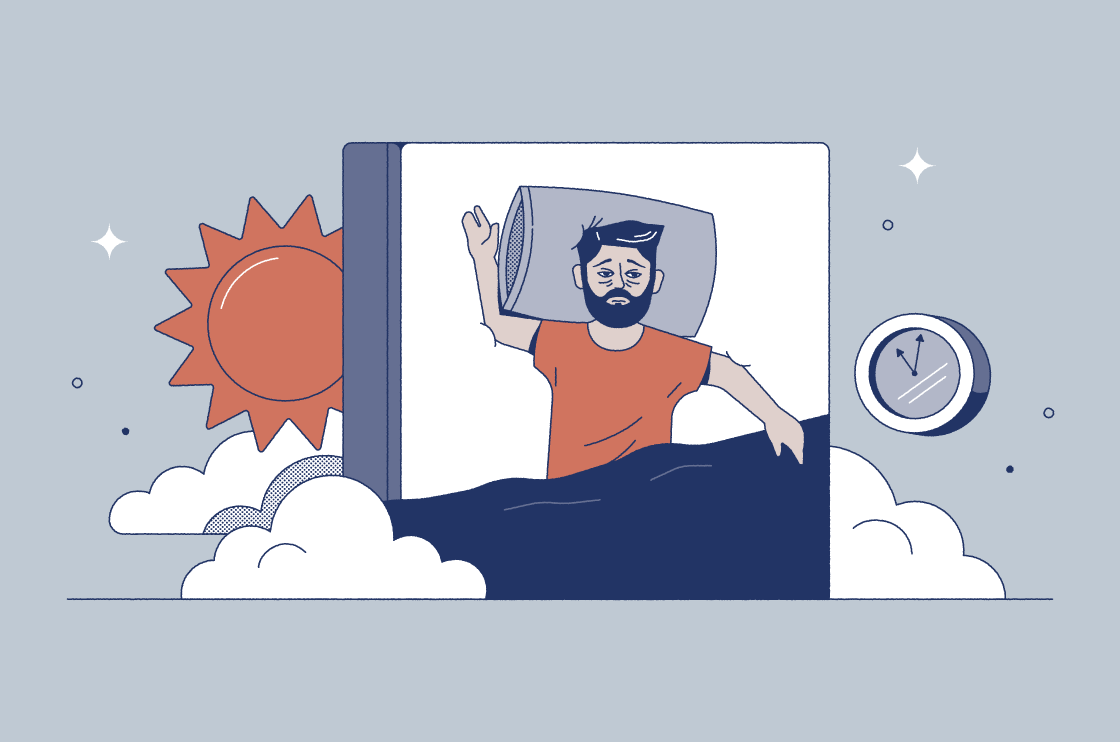
Do you snore, feel tired during the day, or wake up with headaches?
You’re not alone — and it might be more than just “getting older.”
Obstructive Sleep Apnoea (OSA) affects around 1 in 10 Australians, and many people don’t even realise they have it.
It occurs when your breathing repeatedly stops and starts during sleep, leading to poor-quality rest — even if you think you’ve slept through the night.
Common signs include:
- Loud snoring
- Morning headaches
- Daytime fatigue
- Feeling unrefreshed after sleep
- Waking up to use the bathroom multiple times during the night
- Or being told you stop breathing during the night
It’s not just about snoring
Left untreated, OSA can impact more than your sleep.
It’s linked with an increased risk of:
- Heart disease
- Stroke
- Type 2 diabetes
- High blood pressure
- Depression
It can also aggravate symptoms of other conditions, like Restless Leg Syndrome.
Many people put off getting tested because they’re worried about needing a CPAP machine — but the reality is, there are multiple treatment options, and not everyone requires one.
What are the treatment options?
OSA is very manageable, especially when caught early. Treatment may include:
- Medical support (such as CPAP or oral devices)
- Lifestyle changes like reducing alcohol, caffeine or smoking
- Mental health support
- Weight management
- Exercise therapy
How can exercise help?
Exercise is a powerful — and often overlooked — part of managing OSA.
It can help by:
- Reducing body fat, particularly around the abdomen and neck
- Improving circulation and reducing fluid shifts that can affect breathing at night
- Strengthening the muscles involved in breathing
- Improving overall sleep quality and energy levels
How we can help
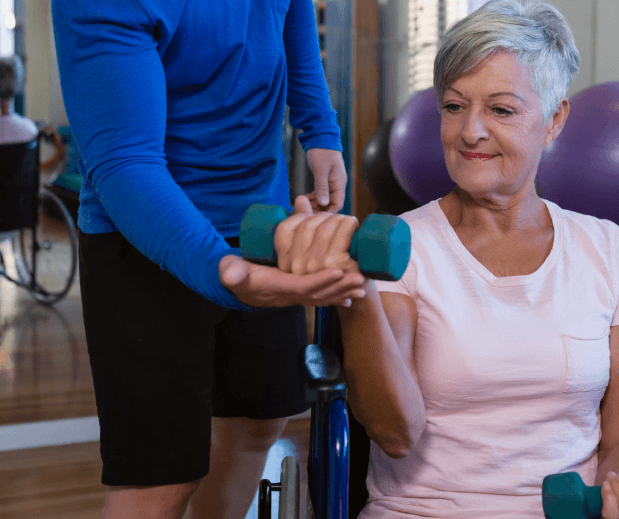
Working with an Exercise Physiologist means you don’t have to navigate this alone.
We provide:
- Safe, tailored exercise programs based on your health and goals
- Monitoring of heart rate, blood pressure, and oxygen levels where needed
- Support alongside your GP and other healthcare providers
- Guidance that feels manageable and sustainable — not overwhelming
Our goal is simple:
to help you sleep better, feel more energised, and improve your long-term health.
Take the first step
If these symptoms sound familiar, it may be worth speaking to your GP about a sleep assessment.
And if you’ve already been diagnosed — or have other issues around sleep – exercise physiology can play an important role in your care and can be key to improving your overall sleep quality.
